
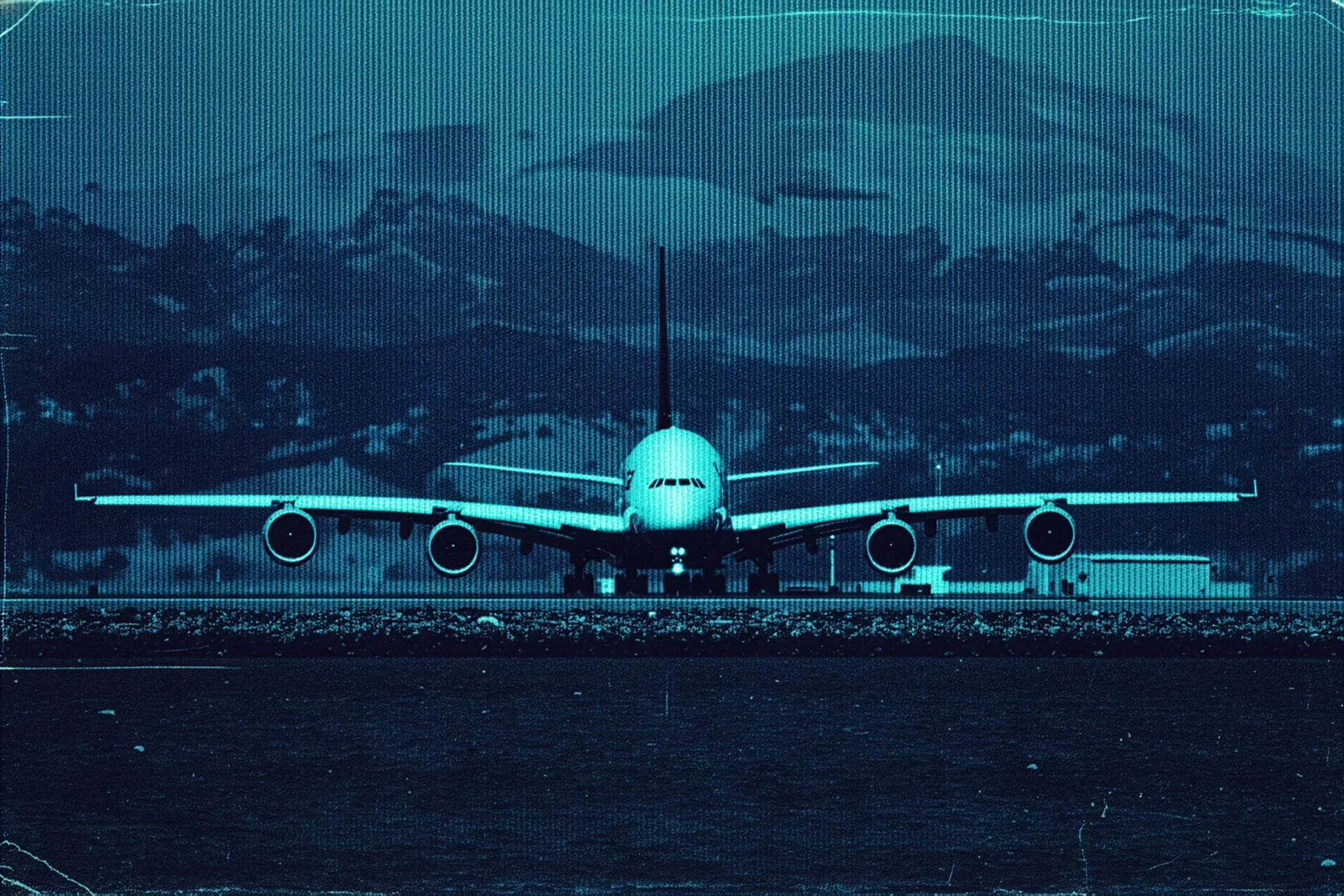
Inside the Desert Boneyards: Where the A380s Go to Sleep
The desert isn’t just a graveyard for the Airbus A380. It is a massive, open-air warehouse where the world’s largest passenger planes sit in a state of suspended animation, waiting for market tides to turn or the scrapper’s claw.
There is something haunting about seeing an Airbus A380 on the ground in the middle of nowhere. These machines were built to move 500 people between major global hubs like London, Dubai, and Singapore. They are creatures of the metropolis. Yet, if you drive through the Mojave in California or the plains of Aragon in Spain, you will find them sitting silently in the red dust.
For the aviation community, these storage facilities—often colloquially called boneyards—offer a stark visual representation of the industry’s economic health. When the pandemic hit in 2020, these facilities filled up almost overnight. While travel has roared back, the fate of the A380 remains a complex story of economics, engineering, and geography.
The Geography of Preservation
You might wonder why airlines send these billion-dollar assets to some of the most inhospitable places on Earth. The logic is purely climatological.
Moisture is the enemy of aluminum and avionics. The dry, arid air of the desert acts as a natural preservative. In places like Victorville, California, or Alice Springs, Australia, the low humidity stops corrosion before it starts. Furthermore, the ground in these regions is incredibly hard. An A380 can weigh over 500 tonnes. Parking that kind of weight on standard asphalt for months or years would cause the wheels to sink or the pavement to crack. The calcified desert soil holds them up without issue.
Major storage hubs include:
- Teruel Airport (TEV), Spain: The largest industrial airport in Europe, currently hosting many Lufthansa and Air France giants.
- Victorville (VCV) and Mojave (MHV), California: The classic American boneyards.
- Alice Springs (ASP), Australia: Where Singapore Airlines famously stored their fleet during the downturn.
- Tarbes-Lourdes-Pyrénées (LDE), France: A key storage and recycling site for Tarmac Aerosave.
It Is Not Just Parking
Leaving an aircraft in the desert is not as simple as locking the doors and walking away. It requires a meticulous maintenance program known as “induction.”
Engineers must seal every opening to prevent local wildlife from moving in. Birds nesting in an engine cowling or insects clogging a pitot tube can cause catastrophic failure later. You will often see the windows and engines covered in a silver, reflective material. This reflects the intense desert sun and keeps the interior temperatures from cooking the delicate electronics in the cockpit.
The aircraft are also moved periodically to prevent the tires from developing flat spots. In “active storage,” the engines are run occasionally, and fluids are cycled. This keeps the airplane flight-ready within a few days’ notice. This process is expensive, but it protects the asset’s value.
The Part-Out Economy
Sadly, not every A380 that enters the boneyard leaves under its own power. For some, this is the final stop.
The A380 is a young aircraft type, yet early models have already been scrapped. This happens when the sum of the parts is worth more than the flying whole. The four massive Rolls-Royce or Engine Alliance engines are the most valuable components. They are removed, refurbished, and leased back to airlines still operating the type.
Next comes the avionics, the landing gear, and the auxiliary power units. Once the high-value items are stripped, the heavy machinery moves in. The fuselage is torn apart, and the aluminum is recycled. Companies like Tarmac Aerosave boast that they can recycle over 90% of the aircraft weight. It is a sustainable end, even if it is difficult for enthusiasts to watch.
A Second Life?
The narrative regarding the A380 has shifted recently. Two years ago, the consensus was that the stored fleets of Lufthansa, Etihad, and Qatar Airways would never fly again. The demand for travel has forced a reversal.
Many A380s are now waking up from their desert naps. Lufthansa is reactivating its fleet, and we are seeing the extensive “return to service” checks taking place in these very boneyards. It involves thousands of man-hours to peel back the silver tape, flush the preservation fluids, and inspect every inch of the airframe.
The desert boneyard is often misunderstood as strictly a place of death for airplanes. In reality, it is a strategic bank. It allows airlines to manage capacity, preserve assets during downturns, and harvest parts to keep the remaining fleet in the air. For the A380, the desert has served as both a sanctuary and a waiting room, proving that even in the quietest places, the industry never truly stops moving.
